
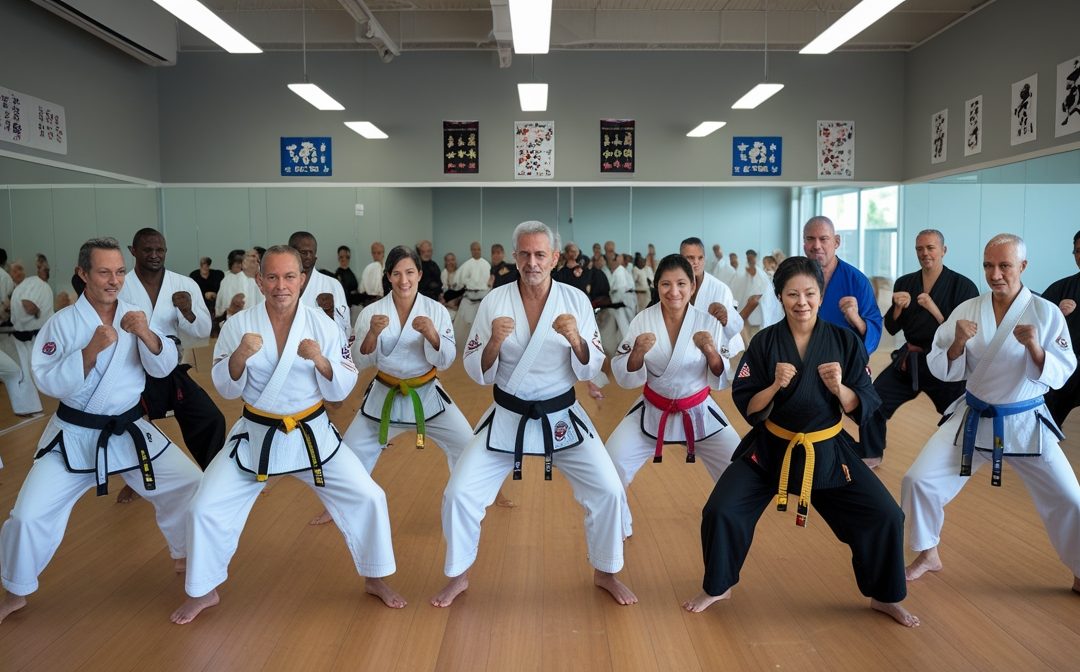
Martial arts isn’t just about learning how to punch or kick—it’s a full-body and mind experience that can transform your life. Whether you’re here for self-defense, boosted fitness, or mental clarity, making the most of your training requires more than just showing up. By taking a thoughtful approach, you’ll amplify your skills, avoid burnout, and see progress faster than you think. Ready to unlock your full potential? Let’s get started.
Set Clear Goals for Your Martial Arts Journey
Setting clear goals is one of the most effective ways to stay motivated and make steady progress in martial arts. Without a roadmap, it’s easy to feel stuck or lose focus, especially when progress slows down. Goals give your training direction, making each session meaningful and purposeful. Whether you’re aiming to master a specific move or improve your fitness level, goal-setting can elevate your practice from “just showing up” to truly excelling. Here’s how to lay a strong foundation with short-term and long-term goals and track your progress effectively.
Define Short-Term and Long-Term Goals
Start by asking yourself: What do I want to achieve in martial arts? Your answer might include mastering certain techniques, achieving a belt promotion, building strength, or simply improving your discipline. Break these into short-term and long-term goals.
- Short-term goals: These should be specific, attainable targets you can achieve in weeks or months. Examples might include nailing a particular kick, improving stamina, or attending a set number of classes each week. Short-term goals keep you focused and serve as stepping stones to bigger accomplishments.
- Long-term goals: These are broader targets that may take years to accomplish, such as earning a black belt or competing in tournaments. Long-term goals require consistent effort but give you a vision to work toward.
Use the SMART framework (Specific, Measurable, Achievable, Relevant, Time-bound) for clarity. For example, instead of “get better at sparring,” aim for something like “complete ten flawless defensive drills during sparring by the end of the month.” This adds precision and keeps you accountable.
Track Your Progress Methodically
Progress isn’t always obvious, especially when gains are incremental. That’s why tracking progress is critical—it shows where you’ve improved and what still needs work. Tracking also boosts motivation by giving you tangible evidence of your efforts paying off.
Here are some simple yet effective ways to track progress:
- Training Journals: Keep a notebook or digital log of your sessions. Write down techniques practiced, strengths, areas for improvement, and any feedback you received. Over time, you’ll see patterns emerge that pinpoint what’s working.
- Feedback From Instructors: Your coach is your best resource for honest, constructive input. Regular check-ins reveal gaps in your skillset while highlighting your strengths.
- Belt Tests and Skill Evaluations: Progress can also be measured formally through rank advancements, performance during sparring sessions, or how consistently you perform complex routines under pressure.
- Video Reviews: Record yourself practicing techniques or sparring. Watching your movements allows you to spot errors you might not catch in the moment, while comparing older footage shows how far you’ve improved.
Remember, progress isn’t a straight line. There will be highs and lows, but having a system to track your efforts keeps you grounded and forward-focused.
Focus on Consistency and Habit Building
If you’re serious about excelling in martial arts, consistency is non-negotiable. Every punch, kick, and technique perfected over time is the result of steady effort and commitment. However, it’s not just about quantity but building sustainable habits that make training part of your routine, not a task to check off. Let’s explore how to establish a consistent practice schedule and maintain your momentum through proper recovery.
Develop a Routine with Regular Practice
A structured routine is one of the most reliable ways to make progress. It’s not about training non-stop; it’s about showing up with intent, consistently. The key is finding a schedule that works for you and sticking to it.
- Set specific days: Whether you dedicate three evenings a week or practice daily for shorter sessions, carve out time that remains non-negotiable. For example, you might do skill drills on Mondays, sparring on Wednesdays, and conditioning workouts on Fridays.
- Prioritize quality over quantity: Instead of draining yourself with marathon sessions, focus on shorter, intentional practices. Spend 20 minutes perfecting your form rather than aimlessly moving through techniques for an hour.
- Use reminders and triggers: Tie your practice to existing habits. For instance, lay out your gi the night before or set an alarm at your scheduled time. These small steps make it easier to commit.
- Track your attendance: Use a calendar or app to log your sessions. This visual progress not only motivates but allows you to spot any dips in consistency.
This consistency builds reliability, not just in your practice, but in your mindset too. After all, martial arts isn’t just about skill—it’s about the discipline you cultivate.
Recover Effectively to Maintain Momentum
Recovery isn’t a luxury—it’s a crucial part of any effective training routine. Proper rest lets your body rebuild and your mind recharge, keeping you sharp for the next session.
Here’s what to focus on:
- Sleep: Aim for 7–9 hours every night. Sleep is like hitting the refresh button on your body and brain, allowing muscles to repair and energy levels to restore.
- Hydration: Martial arts training is intense. Dehydration can slow your recovery and reduce performance. Always rehydrate after practice—add electrolytes if you’ve been sweating heavily.
- Nutrition: Think of food as your fuel. Post-training meals should be rich in lean protein (to repair muscles) and carbohydrates (to replenish glycogen). Simple options like grilled chicken with brown rice or a protein shake with fruit work wonders.
- Stretching and mobility work: After each session, dedicate a few minutes to cool down with dynamic and static stretches. Over time, this reduces soreness and improves flexibility, which is vital in martial arts.
- Rest days: Do not overlook the value of stepping back! Taking at least one full day of rest weekly helps prevent overuse injuries and mental fatigue.
When you recover smartly, you bounce back stronger—ready to apply what you’ve learned and tackle your next training session with renewed focus.
Consistency and proper recovery form the backbone of your martial arts journey. While they may seem like simple steps, they create the habits and resilience you need to progress and succeed.
Strengthen Your Body with Supplemental Training
Martial arts training demands a fine balance between strength, endurance, and mobility. While regular classes refine your techniques, incorporating supplemental exercises takes your performance to the next level. Whether it’s perfecting your high kicks or building stamina for long sparring rounds, strengthening your body outside the dojo equips you with a physical edge.
Incorporate Strength and Conditioning Workouts
Strength and conditioning workouts are an essential part of a well-rounded martial artist’s routine. Developing power, explosiveness, and resilience can make moves sharper and more effective while reducing the risk of injuries.
Here are some exercises to include:
- Weight Training: Focus on compound lifts like squats, deadlifts, and bench presses. These exercises build functional strength and reinforce the muscles you use for kicks, punches, and grappling.
- Plyometrics: Workouts such as jump squats, broad jumps, and box jumps enhance explosiveness, translating directly to quicker and stronger strikes.
- Bodyweight Conditioning: Movements like push-ups, pull-ups, and planks are perfect for building endurance and stabilizing your core. Add variations—like clap push-ups or weighted pull-ups—for extra intensity.
- Burpees or Thrusters: These combine cardio and strength, pushing your whole body in a dynamic fashion that mimics the demands of martial arts sparring.
- Kettlebell Swings: Build functional power and improve hip mobility—vital for kicks and transitions.
For optimal results, aim for 2–3 strength and conditioning sessions per week, tailored to your individual goals. Train with a balance of heavier weights for strength and lighter weights or bodyweight for endurance. Remember: progression is key—gradually increase intensity to avoid plateaus.
Improve Flexibility with Stretching and Mobility Drills
Flexibility and mobility are often overlooked in martial arts, but they play a critical role in maximizing technique and preventing injuries. Whether you’re throwing head-height kicks or avoiding takedowns, flexibility allows for greater range of motion and fluid movement.
Here’s how to improve:
- Dynamic Stretching: Use this as part of your warm-up. Incorporate movements like leg swings, arm circles, and lunges with twists to prepare your muscles and improve flexibility over time.
- Static Stretching: After training, stretch and hold positions to elongate your muscles. Focus on key areas like hamstrings, hip flexors, shoulders, and lower back. Think of positions like a seated forward fold or butterfly stretch.
- Yoga: Adding yoga to your week can work wonders. Poses like Downward Dog or Warrior II not only loosen tight muscles but also build balance and strength simultaneously.
- Foam Rolling: Release muscle tension and improve recovery by using a foam roller. Target problem areas, especially the quads, calves, and upper back.
Aim for 10–20 minutes a day dedicated to flexibility and mobility drills. Over time, these small commitments help keep your body agile and responsive—ready to flow effortlessly in any combat scenario.
Integrating strength, conditioning, and flexibility exercises alongside martial arts can feel like a lot to juggle, but the rewards are undeniable. These workouts are the foundation for lasting improvement, setting you up to train harder, longer, and smarter.
Master the Mental Aspects of Training
Success in martial arts is not just about physical prowess; it’s rooted in your mindset. Developing mental toughness and focus can give you the edge you need, both in training and in life. Training your mind is like sharpening a sword—your thoughts and attitudes determine how well you’ll perform when challenges arise. Let’s explore some key strategies to master the mental side of martial arts.
Adopt a Growth Mindset
A growth mindset is the belief that your abilities can improve through effort and persistence. This mindset is the cornerstone of martial arts success. Why? Because setbacks and mistakes are inevitable. What truly matters is how you react to them.
- Learn from mistakes, don’t fear them: Every time you miss a kick or falter during sparring, it’s an opportunity to grow. Shift your perspective from “I failed” to “What can I improve next time?”
- Embrace challenges, big and small: Challenges are stepping stones, not roadblocks. View them as tools to push your limits. If you shy away from trying something difficult—like a spinning kick—you may never break through your own ceilings.
- Stay motivated through setbacks: Progress in martial arts often feels slow. A growth mindset keeps you motivated. Instead of giving up after a frustrating session, remind yourself: mastery is built one step at a time.
Think of legendary martial artists—they didn’t become great because they avoided failure. They became great because they pushed through it.

Photo by cottonbro studio
Practice Mindfulness and Visualization
Have you ever tried entering “the zone” where every move feels automatic and precise? Mindfulness and visualization can help you get there. They’re not just buzzwords; they’re powerful tools to sharpen focus, manage stress, and improve performance.
- Mindfulness in training: Pay attention to your movements, breath, and surroundings while practicing. Focus on the present moment instead of worrying about the outcome. This reduces distractions and mistakes.
- Visualization exercises before practice: Picture yourself executing techniques flawlessly. For example, imagine throwing perfect punches during sparring or visualizing counter-moves to an opponent’s attacks.
- Use mental rehearsals for tough scenarios: Before competitions or belt tests, create a mental movie. Visualize yourself staying calm under pressure, moving effectively, and succeeding. This preps you mentally just as physical drills prep your body.
Think of mindfulness as tuning an instrument—you sharpen your awareness, making each motion intentional and precise. Pairing it with visualization builds confidence and resilience, even before stepping onto the mat.
Mastering these mental aspects doesn’t happen overnight, but adding them to your training routine will transform how you approach martial arts—and life. This is as much about self-control and adaptability as perfecting a stance or strike.
Partner Effectively and Stay Engaged in the Community
Training in martial arts is more than drills and sparring—it’s about building relationships and embracing a shared journey of growth. From refining techniques with a partner to drawing inspiration from the broader community, cultivating these connections will elevate your experience and skillset. Here’s how to make the most of your partnerships and community involvement.
Build Strong Relationships with Training Partners
Your training partner isn’t just someone holding pads or practicing drills—they’re a collaborator in your growth. A strong relationship with your partner sets the tone for productive and enjoyable sessions. The key? Respect and communication.
- Emphasize Safety and Trust: Effective martial arts training requires contact and vulnerability. Whether you’re drilling or sparring, prioritize safety by understanding each other’s limits. Trust blossoms when partners feel secure, allowing you both to push boundaries without fear of injury.
- Match Effort and Intensity: Avoid going too hard or too soft. Whether practicing submissions or refining techniques, align your energy to your partner’s skill level and comfort zone. This makes sessions productive and maintains harmony.
- Be Open to Feedback: Constructive criticism isn’t an attack—it’s a tool to improve. Give and receive feedback with a spirit of mutual support. Offering a simple adjustment, like “rotate your hip more during that kick,” can be the difference between mediocrity and mastery.
- Stay Positive: Martial arts can be tough, but nobody wants a partner who constantly complains or drags the energy down. Bring enthusiasm, uplift each other, and make the process rewarding for both of you.
A great partner isn’t just practicing—you’re embodying teamwork. Strive to balance challenge with encouragement, creating a relationship that fosters growth and enjoyment.

Photo by Kampus Production
Engage with the Martial Arts Community
Beyond your dojo walls lies a rich landscape of knowledge, experiences, and inspiration. Engaging with the wider martial arts community not only sharpens your skills but also broadens your perspective.
- Attend Seminars and Workshops: Seminars hosted by black belts and renowned instructors are golden opportunities. You’ll refine techniques, learn new styles, and absorb unique strategies, all while being surrounded by like-minded individuals.
- Network with Experienced Practitioners: Connect with peers and mentors who share your goals. Platforms like tournaments or association events bring together martial artists of all levels, giving you access to invaluable tips, motivation, and encouragement.
- Explore Different Disciplines: Even within martial arts, there’s always something new to learn. If you practice karate, dipping into Brazilian Jiu-Jitsu could drastically enhance your self-defense toolkit. Being around versatile martial artists inspires adaptability and creativity.
- Contribute Back: Whether teaching, mentoring, or simply offering support at events, be an active participant in the community. By giving back, you build lasting relationships and reinforce your commitment to martial arts values.
A connected martial artist is a confident one. Surround yourself with a vibrant, supportive network. Lean into these resources, and the benefits will reflect in your growth as both a practitioner and a person.
Conclusion
Martial arts training is a blend of physical effort, mental focus, and purposeful routines. Whether setting clear goals, maintaining consistent habits, or training your body and mind, every step counts toward reaching your full potential. Engaging with the community and staying adaptable ensures you stay motivated and inspired.
Progress isn’t about perfection—it’s about steady improvement and enjoying the journey. Take what you’ve learned, apply it to your training, and remember: the commitment you make today builds the martial artist you become tomorrow. What’s your next move?